How we picked
We compared what the most consistent coffee reviewers recommend, the
machines’ specs and long-term owner feedback, then picked one machine for
each type of buyer. We favored machines that are easy to clean and that
owners report running reliably for years. We left out models that only
shine in one review or that owners report breaking early.
Which one should you buy
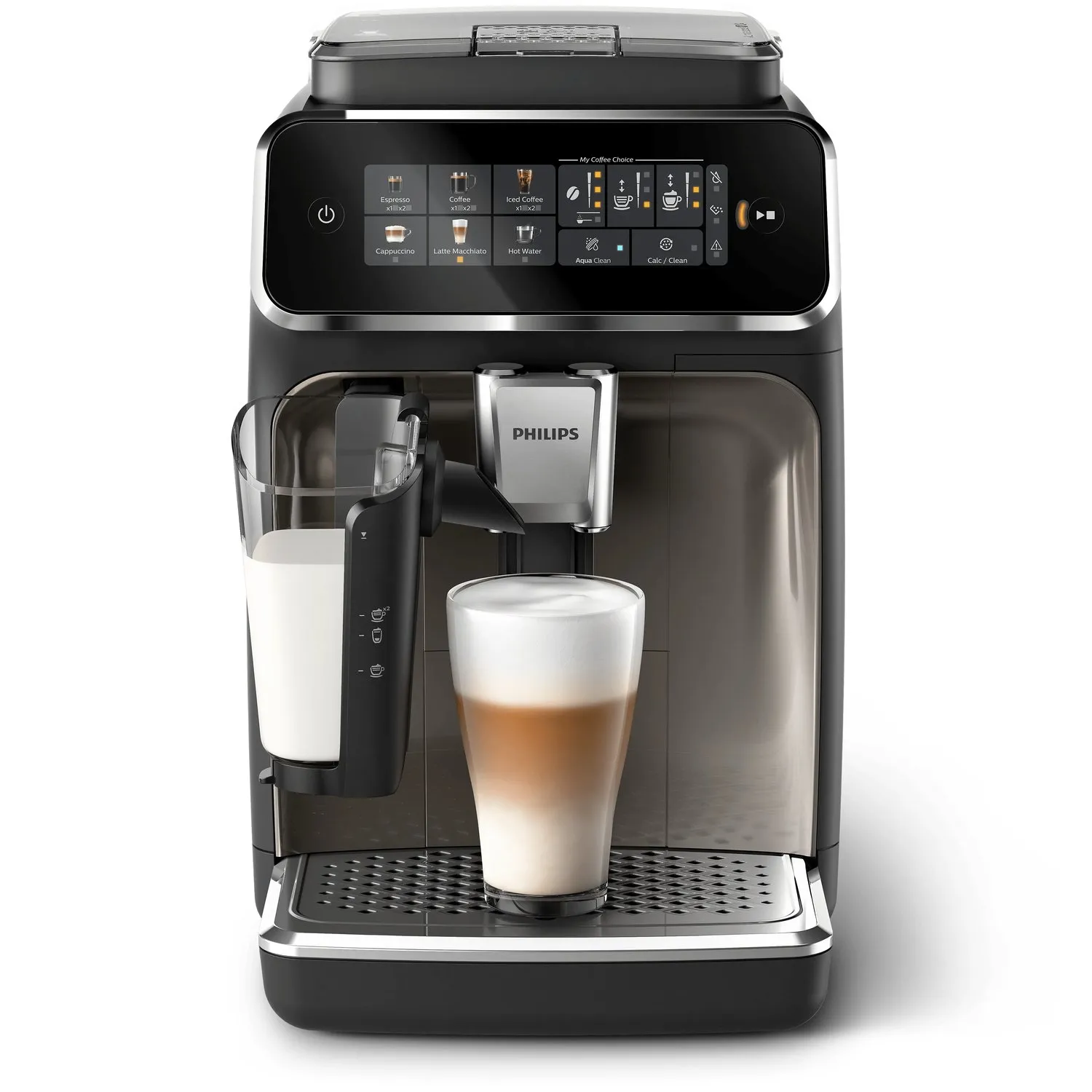
- If you want the best mix of ease, drink quality and value, get the
Philips 3300 LatteGo.
- If you want the cheapest machine that still froths milk for you, get the
De’Longhi Magnifica Start.
- If your house runs on lattes and cappuccinos, get the
De’Longhi Rivelia.
- If you want a machine built to last a decade, get the
Jura E8.
- If you need a machine that fits under low cabinets, get the
Jura ENA 8.
What to look for in a bean-to-cup coffee machine
Milk system
This is where machines differ most. Some use a carafe or jug that froths
and pours milk for you, like the Philips LatteGo and the De’Longhi
LatteCrema. Jura uses a tube that draws milk from a carton or container.
Others have a manual steam wand. If you drink milk drinks every day, pick a
system that is quick to rinse, because milk parts need cleaning after every
use.
Grinder
Every machine here has a built-in burr grinder. More grind settings give
you more room to adjust for different beans. Very oily dark roasts can clog
built-in grinders, so medium roasts are a safer choice.
Cleaning and descaling
Look for a removable brew group you can rinse under the tap, automatic
rinse cycles and dishwasher-safe drip trays. A water filter like the Philips
AquaClean or the Jura Clearyl slows scale buildup. Our guide on
how to descale an espresso machine
covers the routine.
Drink menu and controls
Most people drink the same two or three drinks. A short menu with easy
strength and size settings is often better than a long menu on a busy
touchscreen. User profiles help when several people share one machine.
Size and capacity
Measure your counter and the height under your cabinets. Check the water
tank and bean hopper size too. A small tank means refilling every day in a
house with several coffee drinkers.
Running costs
Bean-to-cup machines use whole beans, so a cup costs far less than a pod.
Budget for water filters, cleaning tablets and descaler, and for servicing
on premium machines.
Frequently asked questions
Is a bean-to-cup machine as good as an espresso machine?
Not quite. A manual machine with a good grinder makes better straight
espresso, because you control every step. A bean-to-cup machine trades some
shot quality for speed and convenience. See our picks for the
best espresso machines if you want more
control.
Bean-to-cup or Nespresso?
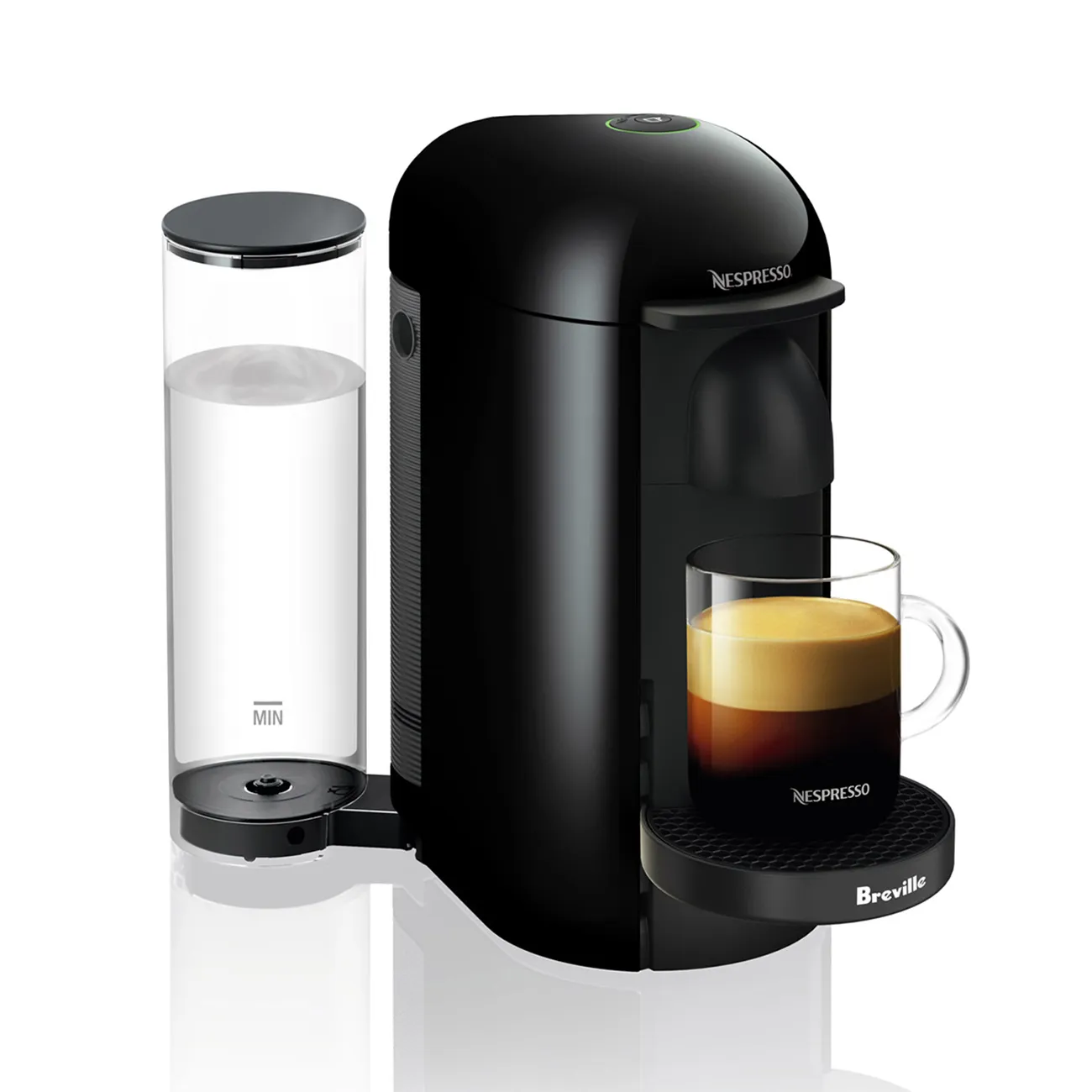
A bean-to-cup machine costs more up front but uses fresh beans and costs
less per cup. A pod machine is cheaper, smaller and needs almost no
cleaning. Our guide to the best Nespresso machines
covers that side.
Can I use pre-ground coffee?
Many machines have a bypass chute for one dose of pre-ground coffee, which
is handy for decaf. For daily use, whole beans give much better flavor.
How long do these machines last?
With regular cleaning and descaling, owners commonly report many years of
daily use. Premium machines like Jura are built for longer service and are
easier to get repaired.