How we picked
We compared what the most consistent coffee reviewers recommend, the
grinders’ specs and long-term owner feedback, then picked one grinder for
each type of buyer. We favored grinders with a track record of reliability
and available spare parts, and left out models that owners report failing
early or grinding unevenly.
Which one should you buy
If espresso is your main drink, read our guide to the
best espresso grinders instead.
What to look for in a coffee grinder
Burr or blade
A blade grinder spins a propeller through the beans and smashes them into
a mix of dust and chunks. The dust over-extracts and tastes bitter. The
chunks under-extract and taste sour. A burr grinder crushes beans between
two rough surfaces set a fixed distance apart, so the grounds come out much
closer to the same size. That even size is what makes coffee taste
balanced. Every pick here uses burrs, and even the cheapest burr grinder
beats a blade grinder.
Conical or flat burrs
Conical burrs are common in home grinders. They are compact, run at low
speed and are forgiving. Flat burrs, like the 64mm set in the Fellow Ode
Gen 2, tend to give a more uniform grind and a clearer, brighter cup. Both
work well. Burr quality and alignment matter more than shape.
Grind range
Coarse settings matter for French press and cold brew. Medium settings
cover drip and pour-over. Espresso needs a very fine grind and tiny steps
between settings. Filter-only grinders like the Ode cannot reach espresso.
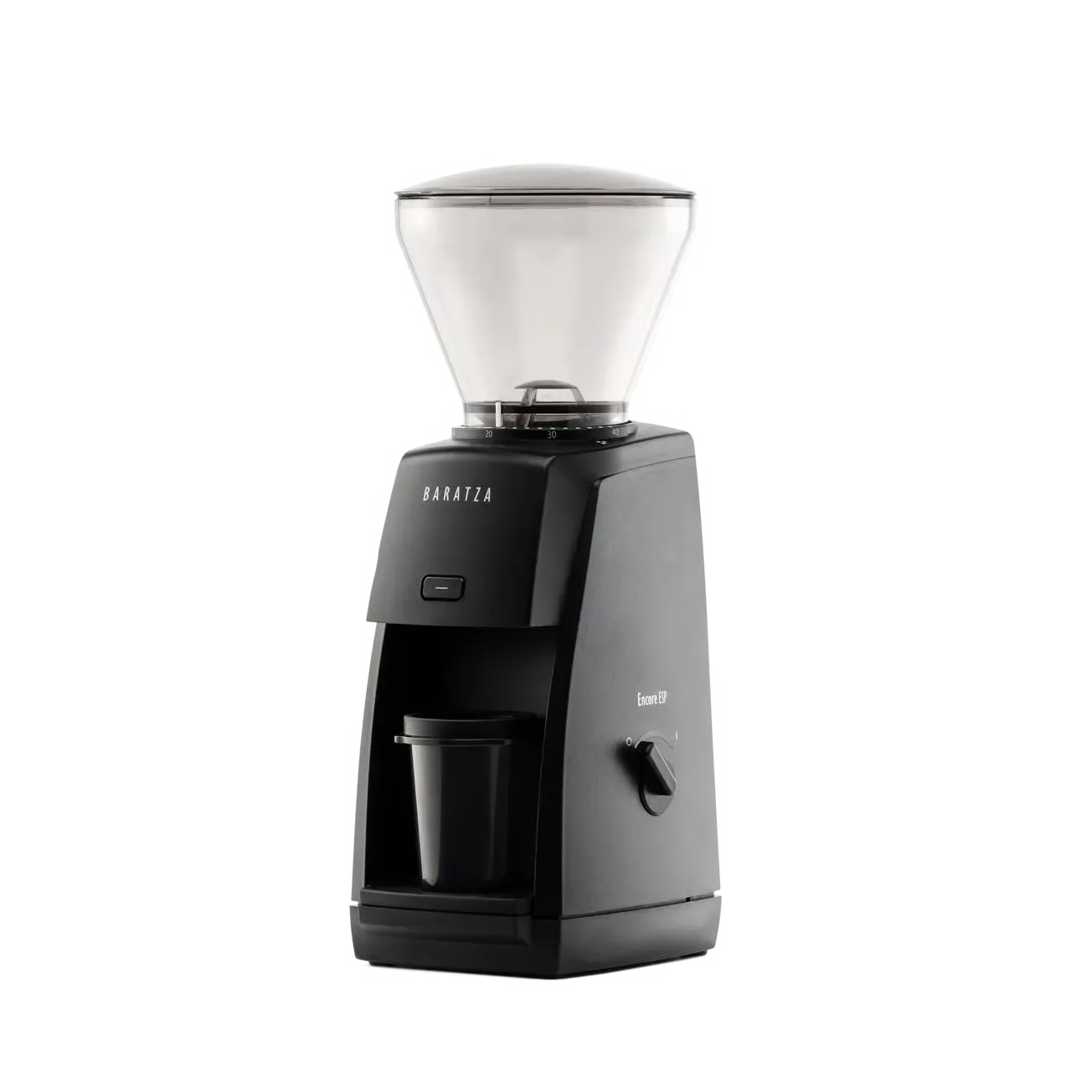
All-rounders like the Encore ESP and Opus can, though a dedicated espresso
grinder is still better at it.
Dosing and retention
Single-dose grinders like the Ode are made for weighing beans before each
brew. They hold very little coffee inside, so every cup is fresh. Grinders
with a hopper and timer, like the OXO and Virtuoso+, are faster in the
morning but keep a little old coffee in the chute between uses.
Repairs and spare parts
A good grinder should last many years. Baratza sells burrs, gears and
other parts for its grinders and publishes repair guides, which is a big
reason its models keep showing up in long-term recommendations.
Electric or hand grinder
A hand grinder gives you excellent burrs for less money, makes almost no
noise and needs no outlet. The trade-off is effort. Grinding for a full pot
takes a few minutes of cranking, so hand grinders suit one or two cups at a
time.
Frequently asked questions
Is a burr grinder really worth it over a blade grinder?
Yes. A grinder does more for the taste of your coffee than the brewer.
Even grounds extract evenly, which means less bitterness and less
sourness. A budget burr grinder is the single biggest upgrade most home
brewers can make. Pair it with a good
pour-over coffee maker or
drip coffee maker to get the most out
of it.
Can I use one grinder for espresso and drip?
You can with the Baratza Encore ESP or the Fellow Opus. Switching between
very fine and coarse settings takes a few seconds and a little coffee to
purge the old grounds. If you make espresso every day, a dedicated
espresso grinder is easier to dial in.
How often should I clean my grinder?
Brush out the burrs and chute every couple of weeks, and take the top
burr out for a deeper clean every month or two. Oily dark roasts need
cleaning more often. Never wash burrs with water unless the maker says you
can.
How long do burrs last?
Steel burrs in a home grinder usually last several years of daily use.
When the grind gets uneven or your coffee tastes flat at settings that used
to work, it is time to replace them.